
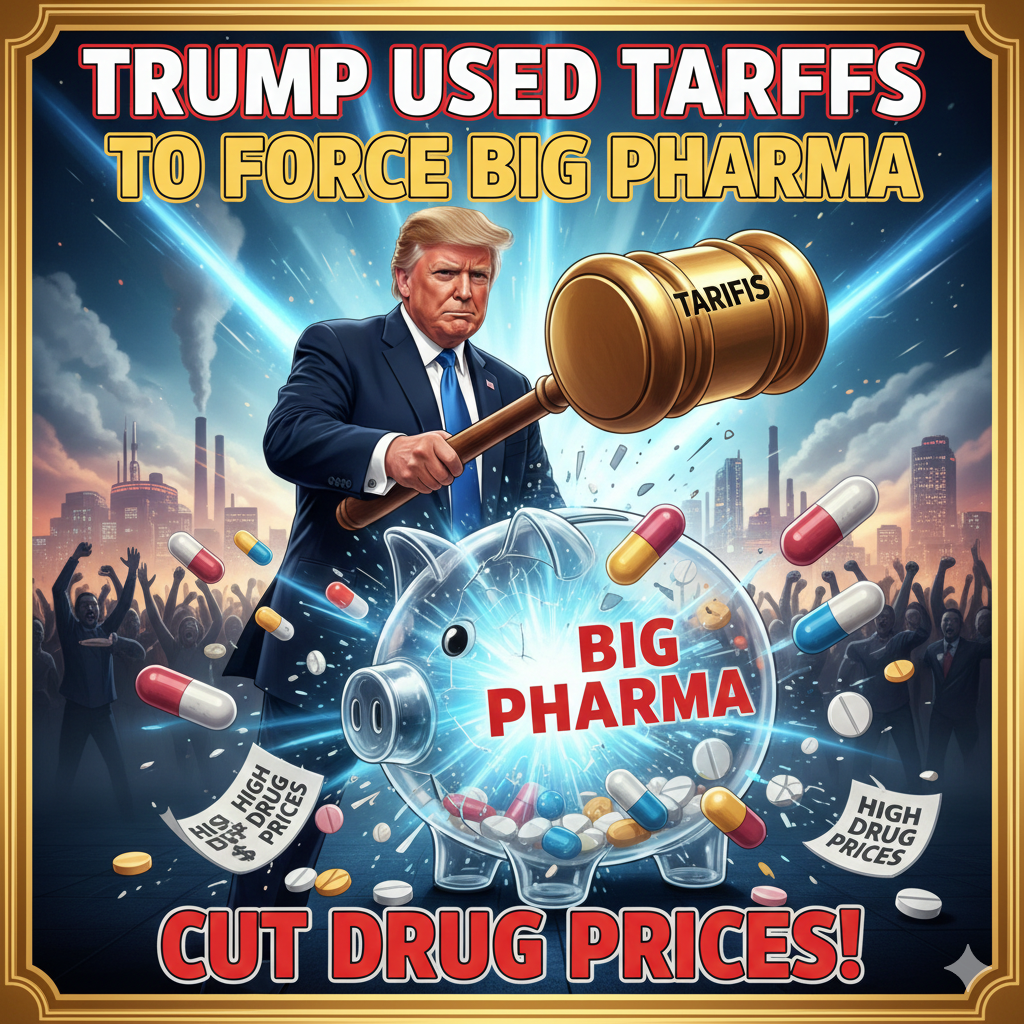

In 2025, President Donald Trump has used the threat of steep tariffs as leverage to secure voluntary drug-pricing agreements from major pharmaceutical companies. As of late December 2025, 14 of the 17 largest drugmakers have reached deals with the administration to lower costs.
Mechanism and Leverage
- Tariff Threats: Trump threatened 100% tariffs on all imported branded or patented pharmaceutical products unless companies built manufacturing plants in the U.S. or agreed to pricing concessions.
- Most-Favored-Nation (MFN) Policy: Revived by an executive order in May 2025, this policy aims to link U.S. drug prices to the lowest prices paid in other wealthy developed nations to “end global freeloading”.
- The Incentive: In exchange for slashing prices, companies received a three-year exemption from these planned tariffs and, in some cases, fast-tracked FDA reviews.
Outcomes in 2025
- Medicaid Reductions: Participating companies have pledged to lower prices for drugs sold to the Medicaid program, aligning them with European levels. Notable examples include Bristol Myers Squibb providing its blood thinner Eliquis for free to Medicaid.
- Direct-to-Consumer Savings: Drugmakers will sell select high-cost medications directly to patients through a new portal, TrumpRx.gov (expected to launch in 2026), at discounts of up to 70–85% off list prices.
- Reshoring Investment: In addition to price cuts, drugmakers have committed over $150 billion to build new manufacturing facilities within the U.S. to ensure their products remain tariff-exempt.
Participating CompaniesMajor companies that have signed these agreements include Pfizer, AstraZeneca, Eli Lilly, Novo Nordisk, Merck, Roche (Genentech), Novartis, GSK, Sanofi, and Amgen. As of December 20, 2025, the administration is still in negotiations with companies like Johnson & Johnson, AbbVie, and Regeneron.